
The Museo della Carta e della Filigrana
The Museo della Carta e della Filigrana occupies a thirteenth-century paper mill building in the historic centre of Fabriano. The site, known as the Antico Opificio, operated as a working mill for several centuries before being converted into a museum. The retention of original architectural fabric — the mill race channels, the vat pit positions, the drying loft — makes the building itself a primary document of how early paper mills were organised around water supply and workflow.
The museum's permanent collection includes paper moulds, watermark wire forms, pressing equipment, and finished sheets from different periods. A substantial portion of the mould collection covers the range of wire patterns used in Fabriano production between the thirteenth and eighteenth centuries, allowing visitors to trace the development of laid-and-chain configurations over time.
Museum at a glance
Name: Museo della Carta e della Filigrana
Location: Via Podestà 4, 60044 Fabriano (AN), Italy
Building: Antico Opificio — a working paper mill from the late 13th century
Collection highlights: Wire moulds, watermark forms, stamping equipment, printed sheets, and photographic records of industrial-era production
Website: museodellacarta.com
The watermark collection
Watermarks are among the most systematically documented artefacts in paper history, partly because they appear in documents throughout the archival record and can be traced to specific mills and periods. The museum holds an extensive collection of original wire watermark forms as well as reference sheets showing the marks as they appear in transmitted light.
Watermark research — the field known as filigranology — uses these impressions to date and localise documents. A letter written on paper with a particular mark can often be assigned to a narrow time window and geographic origin, which makes watermark evidence useful in manuscript studies, art history, and archival authentication. The principal reference tool in this field is the Piccard Watermark Collection held at the Hauptstaatsarchiv Stuttgart, which catalogues watermarks from the thirteenth century onward.
Surviving industrial infrastructure
Beyond the museum, the Fabriano area retains visible evidence of its paper-production history in the landscape and built environment. The mill channels cut from the Sentino and Giano rivers remain partly intact, and several mill buildings from the eighteenth and nineteenth centuries survive in various states of conservation.
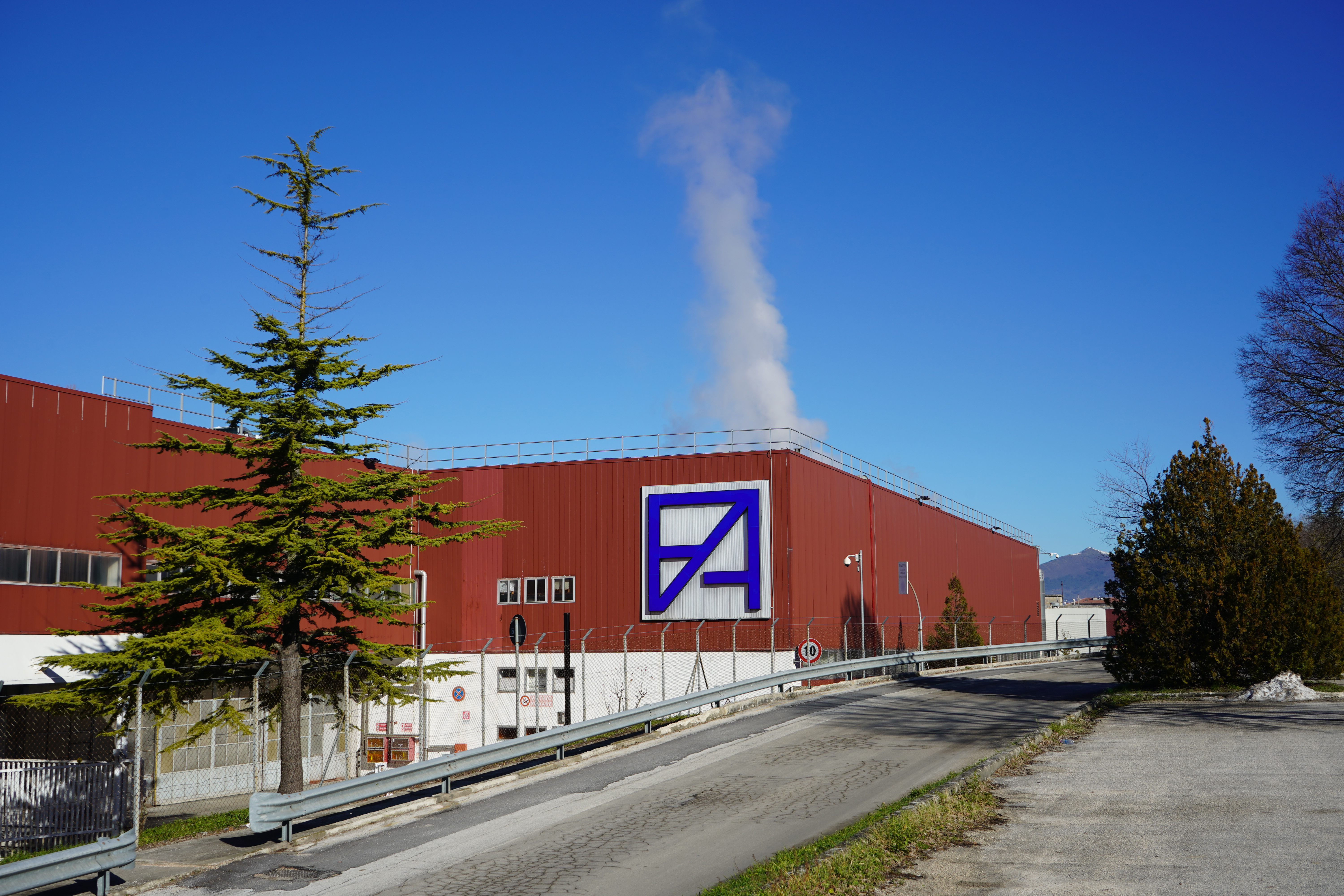
The Fedrigoni S.p.A. facility at Ponte del Gualdo, which continues active production, stands on a site associated with paper manufacturing for several centuries. The proximity of a major contemporary manufacturer to historical infrastructure is unusual in European industrial heritage and reflects the continuity of both the water resource and the workforce skills in the area.
Cartiere Miliani and the industrial record
Cartiere Miliani was founded by Pietro Miliani in the eighteenth century and became one of the most technically advanced paper manufacturers in Italy during the nineteenth. The firm adopted continuous machine production, introduced new paper grades for the emerging newspaper and publishing industries, and maintained a research function that produced technical publications on papermaking chemistry.
Photographic records held at the museum and in regional archives document the layout of the Miliani facilities at various points in the nineteenth and early twentieth centuries — vat rooms, Hollander beater halls, drying lofts, and finishing departments. These images are among the most detailed visual records of Italian industrial paper production from that period.
The role of the Miliani family
The Miliani family's involvement in Fabriano papermaking spans several generations, from Pietro's founding of the firm through successive expansions of the plant and product range. G.B. Miliani, documented in photographs from the 1920s working directly with production equipment, represents the continuation of technical engagement by the owning family through the early industrial period — an arrangement less common in later twentieth-century corporate structures.
International context
Fabriano's place in European paper history is documented in several international museum collections beyond the town itself. The British Library holds substantial holdings of Italian paper documents, many on Fabriano-type sheets. The Bibliothèque nationale de France and the Vatican Library archives contain significant quantities of paper produced in the Marche region and traceable by watermark analysis.
The International Association of Hand Papermakers and Paper Artists (IAPMA) and related networks have documented surviving hand-papermaking practices internationally, including continued production in Italy. Their publications and conference proceedings provide comparative context for the Fabriano tradition within global craft papermaking.
Visiting considerations
The Museo della Carta e della Filigrana is operated by the municipality of Fabriano and is accessible by rail from Ancona and Rome. The museum offers demonstrations of hand-sheet formation in the vat room during scheduled sessions. Advance booking is recommended for group demonstrations; current schedules are published on the museum's official website.
The broader Fabriano area is accessible as a day trip from Ancona (approximately one hour by regional train) or as part of a longer itinerary through the Marche interior, which includes other sites of historical and architectural interest in Jesi, Macerata, and the upper Esino valley.