
Process
The Art of Fabriano Papermaking
From water-powered beating to sheet formation: how the town of Fabriano developed and refined hand-papermaking techniques that became the standard across medieval Europe.
A reference on the manufacturing processes, raw materials, and historical record behind one of Europe's oldest continuous papermaking traditions.

Articles
Three focused texts on the technical and historical dimensions of Fabriano paper production.
Process
From water-powered beating to sheet formation: how the town of Fabriano developed and refined hand-papermaking techniques that became the standard across medieval Europe.

Materials
How fibre selection — from rag cotton to alfa grass — determines the final weight, permanence and surface texture of Fabriano-type sheets.

Heritage
The Museo della Carta e della Filigrana in Fabriano holds one of the most complete records of European paper history — from medieval moulds to industrial-era machinery.
Background
Fabriano, a town in the Marche region of central Italy, was producing paper by the late thirteenth century. Several technical developments associated with local mills — wire-mould screens, animal-glue surface sizing, and the use of watermarks as mill identifiers — spread across Europe over the following two centuries and shaped what archivists and conservators today call Western-format paper.
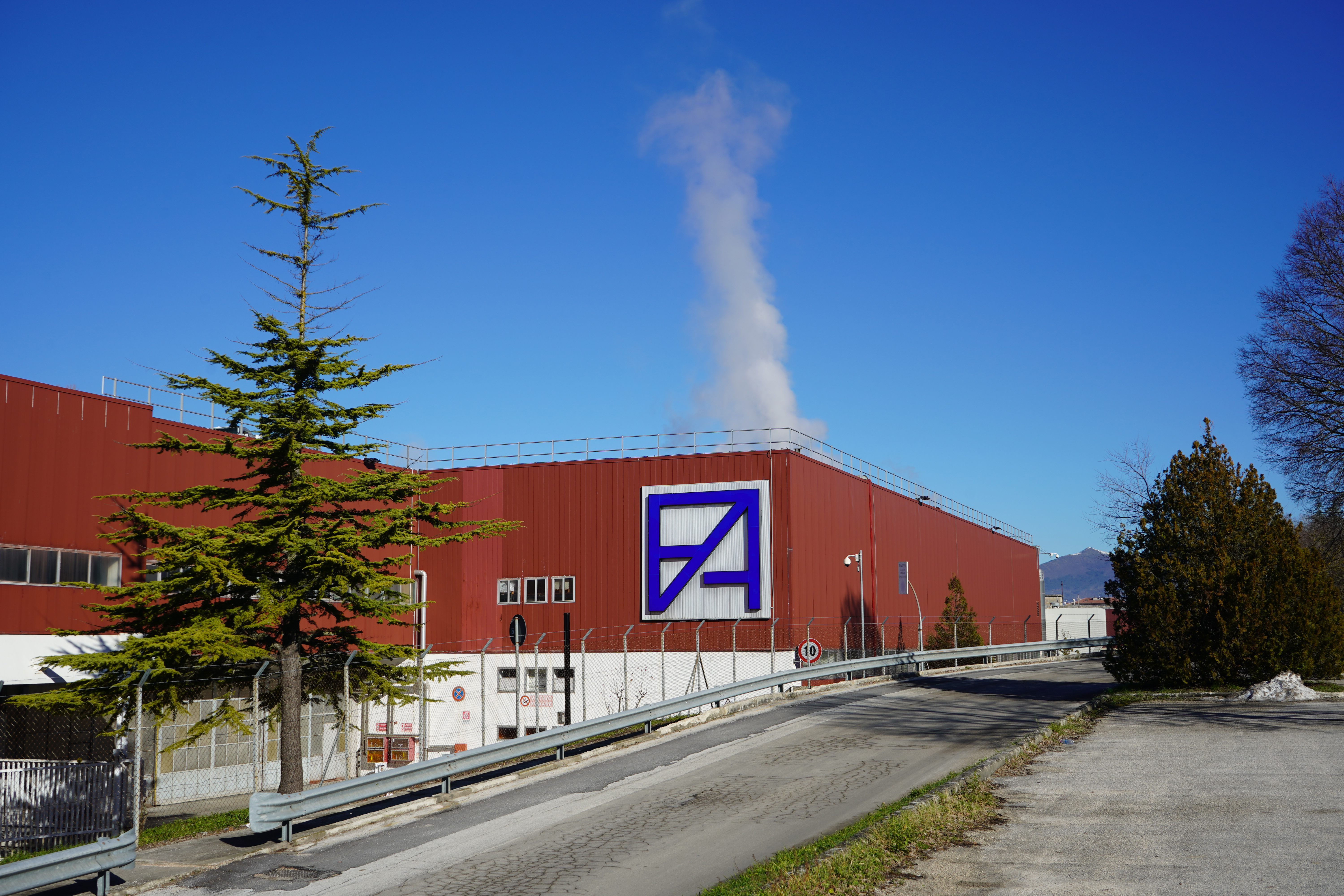
The town's mills continued operating through the industrial era. Cartiere Miliani, founded in the eighteenth century, eventually became part of Fedrigoni S.p.A., which still operates from Fabriano. The site therefore represents an unusual continuity: a location where craft methods can be traced from medieval hand production to contemporary manufacturing within walking distance of each other.
Sources used throughout this site draw on public records, museum documentation, and published technical literature. No proprietary or unverifiable data is referenced.
Contact
For questions about the content, corrections, or source references, use the form. Responses are not guaranteed but all notes are read.
This site does not handle commercial inquiries or paper purchasing.
Email: info@fieldhousepaper.eu